


The landscape of education is undergoing a profound transformation, driven by the relentless march of technological innovation. Education technology, or EdTech, is revolutionizing how we teach and learn. From traditional classrooms to online platforms, technology is bridging gaps, enhancing accessibility, and personalizing the educational journey for millions around the globe. The future of education technology promises even more groundbreaking advancements that will redefine the boundaries of what’s possible in learning environments.

Artificial Intelligence (AI) is at the forefront of this educational revolution. AI-powered tools are transforming the way educators interact with students. Intelligent tutoring systems provide real-time feedback, helping students to understand complex concepts at their own pace. AI can also analyze vast amounts of data to identify learning patterns and predict future performance, allowing for early interventions. Moreover, AI-driven chatbots can answer student queries round the clock, ensuring that learning is uninterrupted. The integration of AI in education is not just enhancing learning outcomes but also making education more accessible and inclusive.

Imagine stepping into a classroom where historical events come to life, or scientific concepts are explored in a fully immersive environment. This is the promise of Virtual Reality (VR) and Augmented Reality (AR) in education. VR creates a simulated environment where students can engage in experiential learning, while AR overlays digital information onto the real world, enhancing the learning experience. These technologies make abstract concepts tangible, promote active learning, and can cater to different learning styles. As VR and AR continue to evolve, they will undoubtedly play a pivotal role in shaping the future of education.

One of the most significant benefits of EdTech is the ability to offer personalized learning experiences. Traditional one-size-fits-all teaching methods are being replaced by adaptive learning technologies that tailor educational content to the individual needs of each student. These systems use algorithms to assess a student’s strengths and weaknesses, adjusting the difficulty of tasks accordingly. Personalized learning not only improves engagement and motivation but also ensures that students can progress at their own pace, making education more effective and enjoyable.
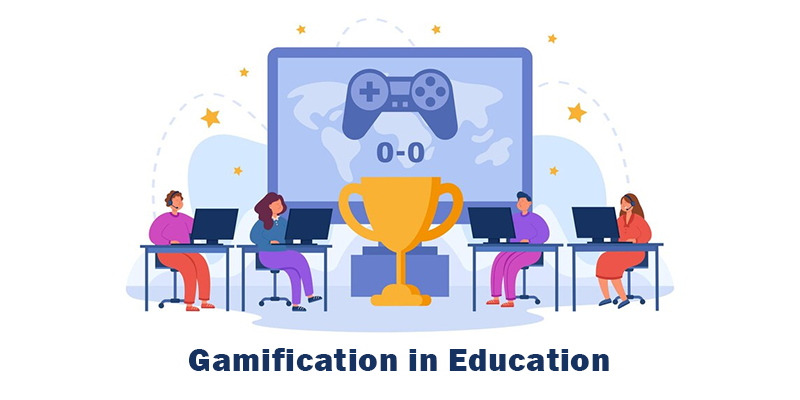
Gamification, the use of game design elements in non-game contexts, is another exciting trend in education technology. By incorporating elements such as points, badges, leaderboards, and challenges, gamification makes learning more engaging and interactive. This approach leverages the motivational aspects of games to encourage student participation and persistence. Studies have shown that gamified learning environments can significantly enhance student motivation, retention, and achievement. As gamification strategies continue to evolve, they will play an increasingly important role in modern educational practices.

The global pandemic has accelerated the adoption of remote learning technologies, making them an integral part of the educational landscape. Platforms like Zoom, Microsoft Teams, and Google Classroom have become household names, facilitating virtual classrooms and online collaboration. Remote learning offers flexibility and accessibility, allowing students to learn from anywhere at any time. However, it also presents challenges such as digital divide and engagement issues. As technology advances, we can expect to see more sophisticated solutions that address these challenges, making remote learning more effective and inclusive.

Looking ahead, the future of education technology is brimming with possibilities. Innovations such as blockchain could revolutionize credentialing and academic records, ensuring their authenticity and security. The Internet of Things (IoT) might create smart classrooms where interconnected devices enhance learning experiences. Advanced data analytics will provide deeper insights into student performance, enabling more informed decision-making. Furthermore, as EdTech continues to evolve, it will undoubtedly foster greater global collaboration, making high-quality education accessible to everyone, everywhere. The future of education technology is not just about new tools and platforms; it's about reimagining education itself.
 John Crystal



Aliqu justo et labore at eirmod justo sea erat diam dolor diam vero kasd