

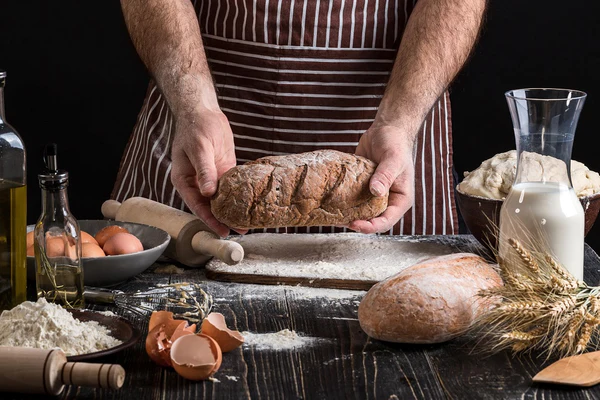
Baking is often seen as a delicate dance between art and science. To truly master it, one must first grasp the fundamental principles that guide every recipe. At its core, baking revolves around the interaction of ingredients with heat, where precise measurements and careful timing can transform simple ingredients into a delightful feast for the senses. Flour, sugar, eggs, and fat each play pivotal roles, acting as the building blocks of countless baked goods. Understanding how these elements interact is the first step toward creating consistently delicious results. Whether you’re aiming to craft the perfect loaf of bread or a batch of moist, fluffy cupcakes, starting with a solid foundation in baking science will set you up for success.
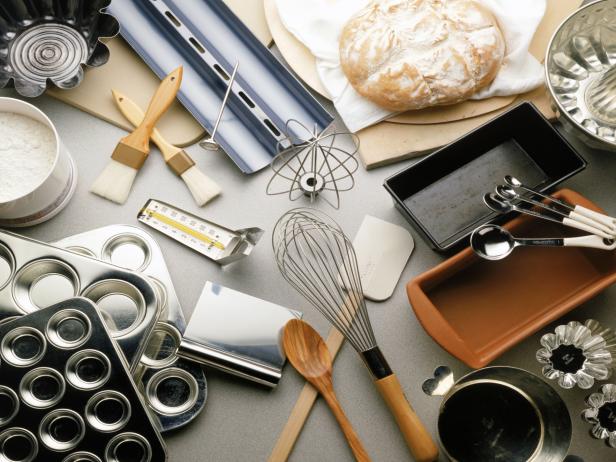
ust as a painter requires brushes and canvases, a baker needs a reliable set of tools to bring their creations to life. The kitchen can be your workshop, and your equipment, your trusted companions. A well-calibrated oven is non-negotiable—knowing your oven’s quirks can make all the difference in your bakes. Other essentials include a quality set of mixing bowls, measuring cups, and spoons. A sturdy whisk, a versatile stand mixer, and a range of baking pans will round out your collection. Don’t overlook the importance of precision; a digital scale can ensure that your measurements are spot-on, which is critical in baking where even minor variations can affect the outcome. As you become more experienced, you might find yourself adding specialized tools like a pastry cutter or a bench scraper to your arsenal, each serving to elevate your baking game.
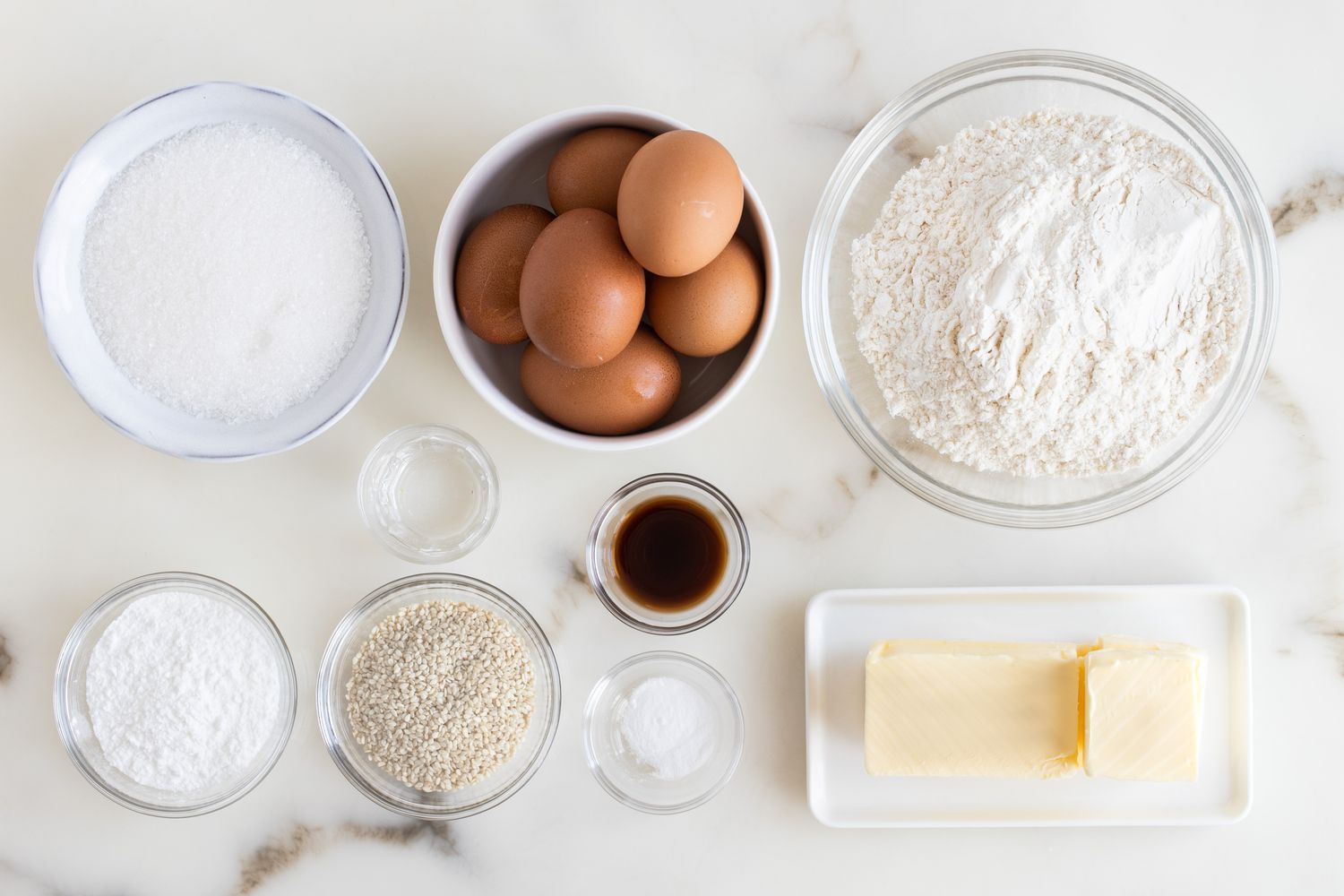
Each ingredient in a baking recipe has a specific purpose, contributing to the overall texture, flavor, and structure of the finished product. Flour provides the framework, forming gluten when combined with liquid, which gives baked goods their shape and chew. Sugar doesn’t just sweeten; it also tenderizes, provides moisture, and promotes browning. Eggs add richness, color, and structure, while fats, such as butter or oil, make the texture tender and moist. Leavening agents like baking powder or yeast are responsible for the rise, giving your bakes that desirable lightness. Finally, flavorings like vanilla extract, spices, or citrus zest add depth and personality to your creations. By understanding the role each ingredient plays, you can begin to experiment and even develop your own recipes with confidence.
.webp)
The techniques you employ in baking are just as important as the ingredients themselves. Mixing might seem straightforward, but how you combine your ingredients can greatly impact the final product. Overmixing can lead to tough, dense cakes, while undermixing may result in uneven textures. Folding is a gentler method used to incorporate ingredients like whipped egg whites into a batter without deflating them, crucial for achieving light, airy textures. Kneading, on the other hand, is key in bread-making, where it develops the gluten needed for a good rise and a chewy crumb. Each technique requires practice to perfect, but mastering them will enable you to tackle a wide variety of baking projects with skill and finesse.
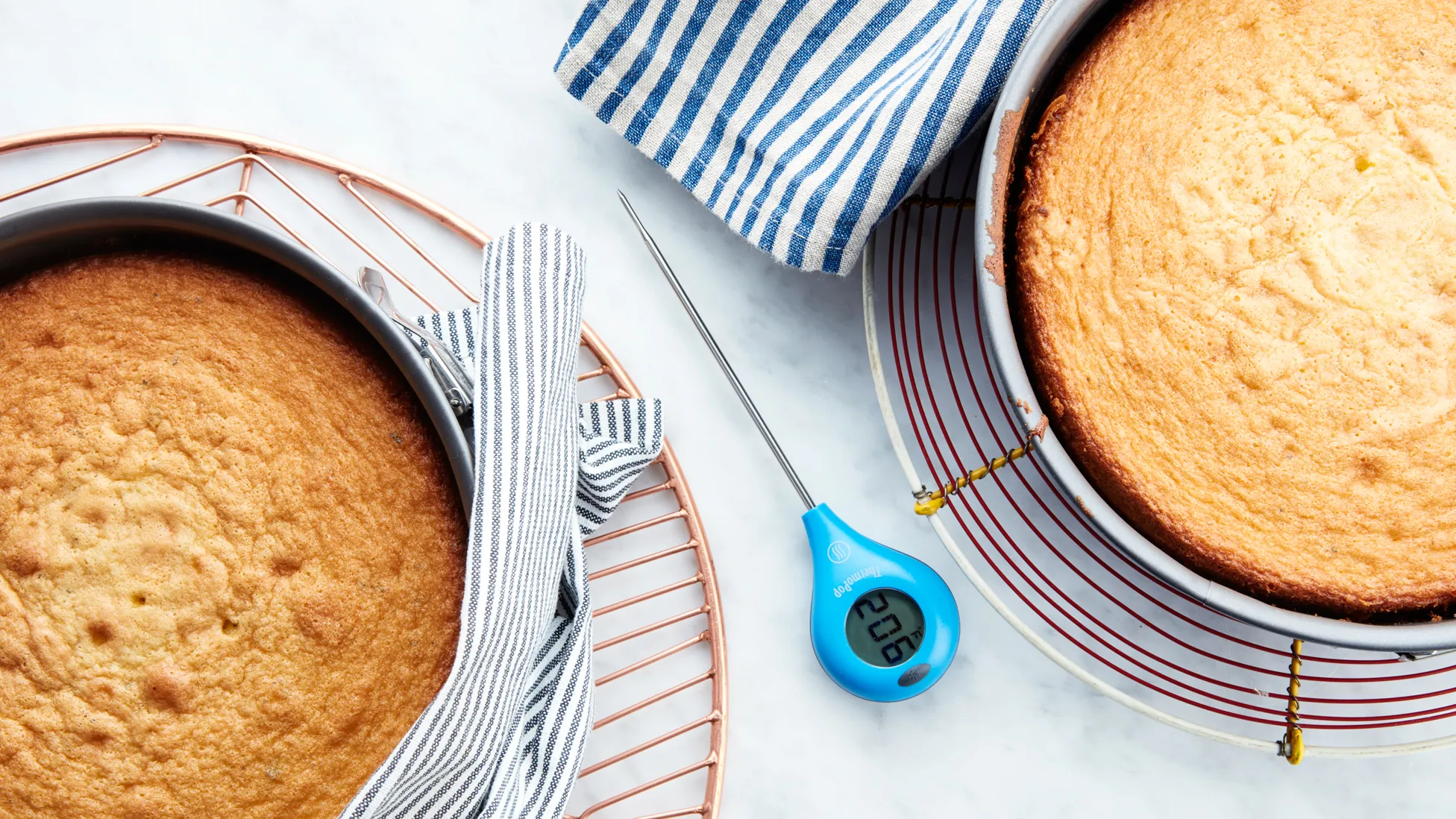
One of the most challenging aspects of baking is knowing exactly when something is done. Time and temperature are critical, yet they can vary depending on your specific oven, altitude, and even the type of pan you use. Recipes often provide guidelines, but becoming attuned to the visual and sensory cues of doneness will take your baking to the next level. A golden-brown crust, a clean toothpick, or the sound of a cake pulling away from the sides of the pan are all indicators that your bake is ready. Oven thermometers can help you ensure that your oven is running at the correct temperature, while timers are essential to prevent overbaking. By paying close attention to these details, you’ll avoid common pitfalls like burnt edges or undercooked centers.
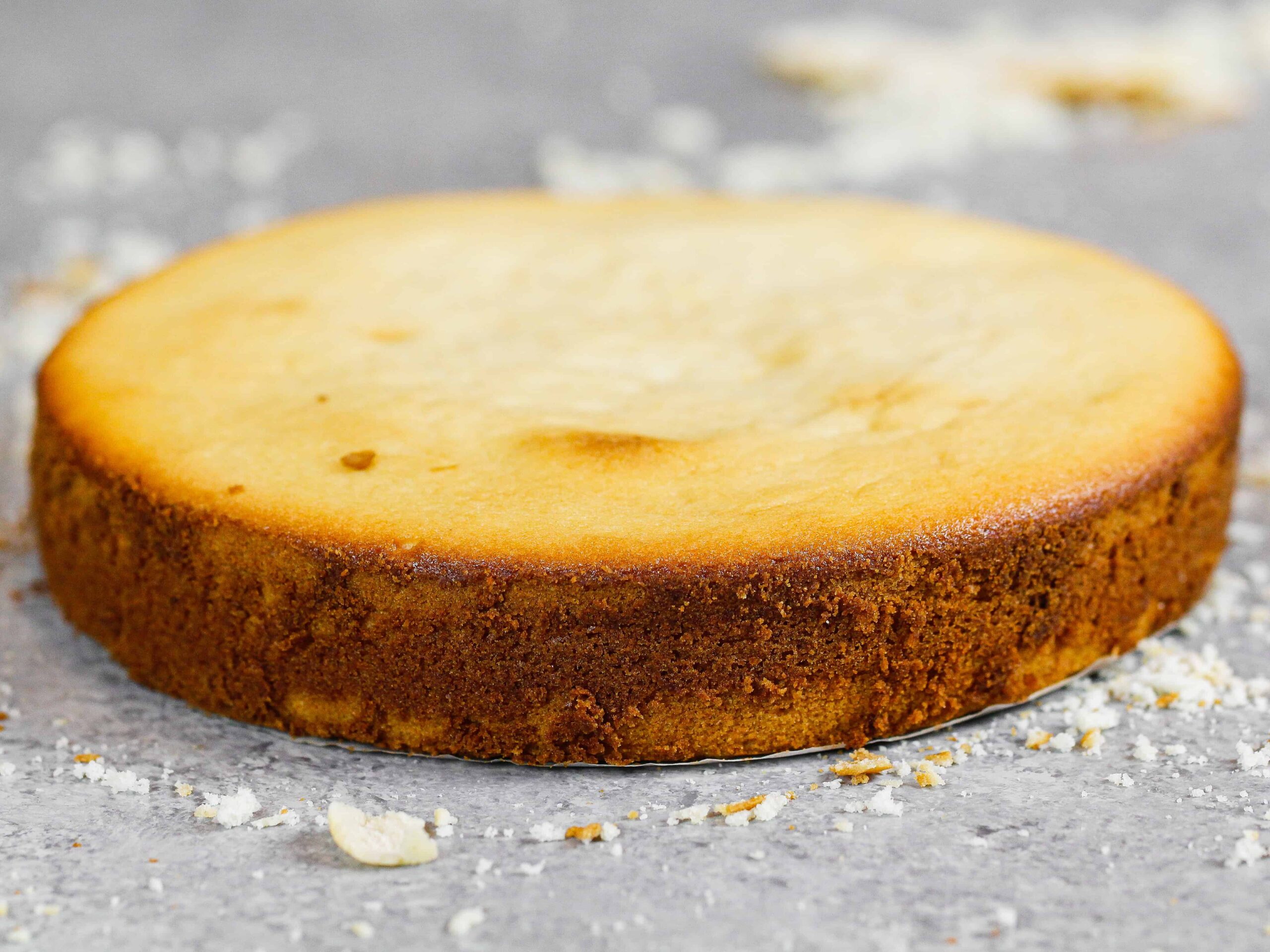
Even seasoned bakers encounter challenges, but knowing how to troubleshoot can save a bake from disaster. Sinking cakes, flat cookies, and dense bread are all too familiar problems. If your cake sinks in the middle, it might be due to overmixing, too much leavening, or opening the oven door too early. Flat cookies could be the result of using too much sugar or not enough flour. Dense bread often points to underproofing or insufficient kneading. Understanding the root causes of these issues allows you to make adjustments and improve with each bake. Patience and persistence are key; every mistake is a learning opportunity that brings you closer to mastery.
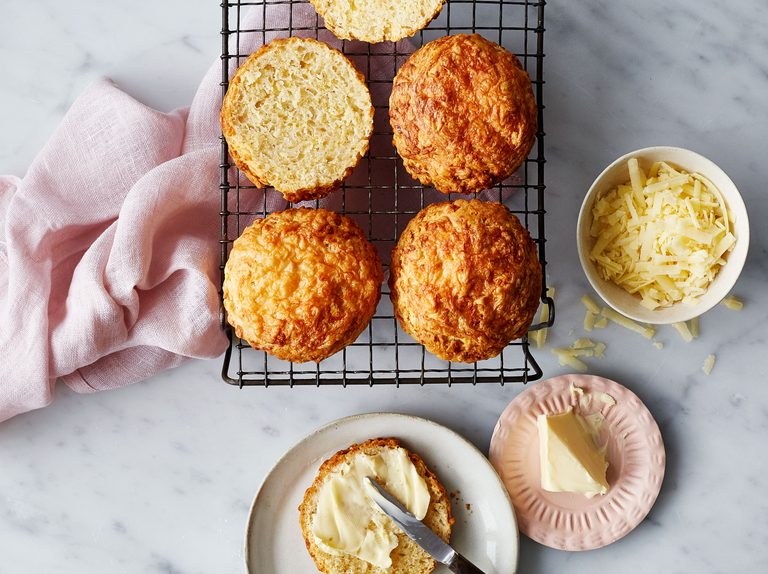
The best way to solidify your baking knowledge is through practice, and what better way to practice than by making something delicious? Start with simple recipes that focus on fundamental techniques, such as classic chocolate chip cookies or a basic vanilla sponge cake. As you gain confidence, challenge yourself with more complex bakes like a layered cake, a flaky pie crust, or a rustic loaf of sourdough bread. Each recipe offers an opportunity to refine your skills, experiment with flavors, and perhaps even put your own twist on a classic. With each success, you’ll find your passion for baking growing, along with your repertoire of delectable treats.
 John Crystal


Aliqu justo et labore at eirmod justo sea erat diam dolor diam vero kasd