


Every child is a unique snowflake, each with their own quirks, preferences, and idiosyncrasies. Some kids are outgoing and adventurous, while others are introspective and cautious. To truly connect with your child, it's essential to understand their individual personality. Observe their behavior in different settings – do they thrive in social situations, or do they prefer solitary activities? Tailoring your parenting approach to fit your child's personality can make a world of difference. It’s like having a customized map to navigate the intricate world of parenthood.
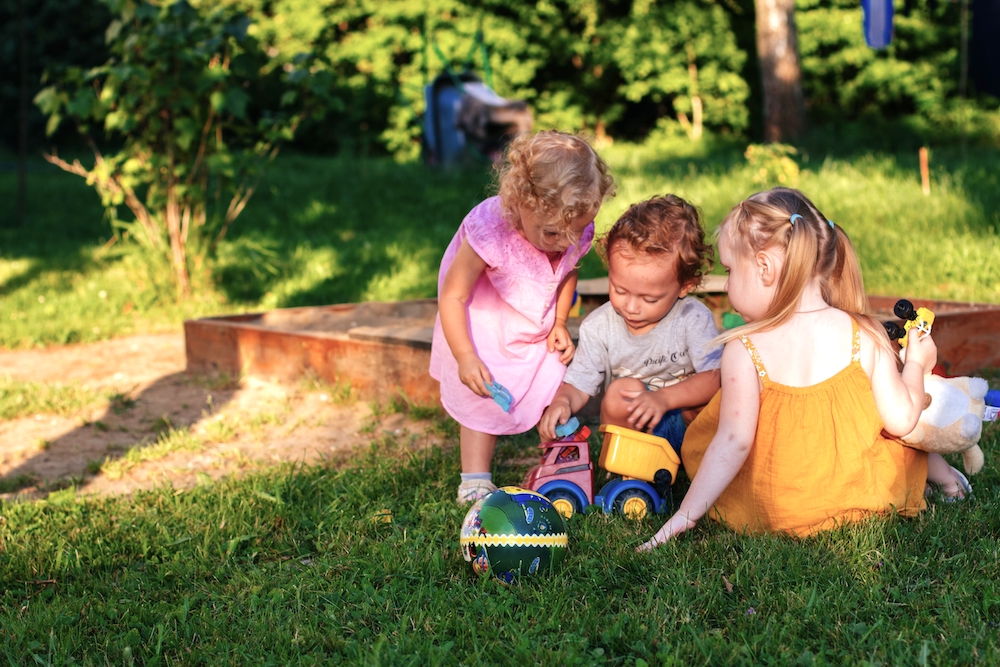
Understanding your child's personality also means recognizing their strengths and weaknesses. Celebrate their strengths – be it a knack for drawing, an ear for music, or a talent for sports. At the same time, gently guide them in areas where they might need a bit more support. The goal isn’t to mold them into what you think they should be but to help them become the best version of themselves.
Lastly, be patient and flexible. Personalities can evolve over time, and what works today might not work tomorrow. Stay attuned to their changing needs and be ready to adapt. Your child will feel understood and supported, which is the foundation of a strong parent-child relationship.

Consistency might not sound glamorous, but it's the unsung hero of successful parenting. Routines provide a sense of security and predictability, which is especially comforting for children. Knowing what to expect helps them feel safe and in control. A consistent bedtime routine, for example, can transform nighttime from a chaotic circus into a calm, peaceful ritual. Start with a warm bath, followed by a bedtime story, and finish with some gentle lullabies. Before you know it, your little one will be drifting off to dreamland with minimal fuss.
Morning routines are equally important. Establishing a predictable sequence of events – wake up, brush teeth, get dressed, eat breakfast – sets a positive tone for the day. It also teaches children important time-management skills and responsibility. Consistency in daily chores and homework times can also foster a sense of discipline and accountability.
However, life is unpredictable, and strict routines can sometimes feel stifling. It's important to strike a balance between consistency and flexibility. Allow for spontaneity and be willing to bend the rules occasionally. After all, a little surprise pizza party never hurt anyone!

If parenting were a magic trick, communication would be the rabbit you pull out of the hat. It’s the foundation of any strong relationship, and it’s no different when it comes to your kids. Open, honest, and age-appropriate communication builds trust and mutual respect. Start by being an active listener. Give your child your full attention when they speak, and show empathy towards their feelings and concerns. Sometimes, all they need is to feel heard and understood. Encourage your child to express their thoughts and feelings without fear of judgment. Create an environment where they feel safe to share, whether it’s about a bad day at school or a misunderstanding with a friend. Use open-ended questions to stimulate conversation and help them articulate their emotions better. For instance, instead of asking, “Did you have a good day?” try, “What was the best part of your day?” Communication isn’t just about talking; it’s also about non-verbal cues. Your body language, facial expressions, and tone of voice all convey messages. Be mindful of these cues and ensure they match the words you’re saying. A warm smile and a gentle tone can go a long way in making your child feel valued and loved.

Ah, discipline – the word that sends shivers down the spine of many a parent. But fear not, for positive discipline is here to save the day! Unlike traditional punitive measures, positive discipline focuses on teaching and guiding rather than punishing. It’s about helping your child learn from their mistakes and make better choices in the future.
Start with clear, consistent rules and expectations. Children need to know what’s expected of them and what the boundaries are. Use natural and logical consequences to teach responsibility. For example, if your child forgets to do their homework, the natural consequence might be a lower grade. This helps them understand the impact of their actions without you having to resort to yelling or punishment.
Reinforce positive behavior with praise and rewards. Acknowledging their efforts and successes boosts their self-esteem and encourages them to keep up the good work. Instead of focusing on what they did wrong, highlight what they did right. For instance, “I’m really proud of how you shared your toys with your friend today!”
Lastly, practice patience and empathy. Remember, discipline is a learning process for both you and your child. Mistakes will be made, but each one is an opportunity for growth and improvement. With positive discipline, you’re not just managing behavior – you’re shaping character.

Parenting is a full-time job with no coffee breaks, paid vacations, or weekends off. It’s easy to get so caught up in caring for your little ones that you forget to care for yourself. But here’s the thing – you can’t pour from an empty cup. Self-care isn’t a luxury; it’s a necessity. Taking time for yourself recharges your batteries and makes you a better parent.
Start by carving out a few minutes each day just for you. Whether it’s sipping a hot cup of tea, reading a book, or simply sitting in silence, find something that relaxes and rejuvenates you. Exercise is also a great way to relieve stress and boost your mood. Even a short walk around the block can do wonders for your mental health.
Don’t hesitate to ask for help when you need it. Whether it’s from a partner, family member, or friend, having a support system can make a huge difference. Remember, it takes a village to raise a child, and you don’t have to do it all on your own.
Finally, be kind to yourself. Parenting is hard, and you’re doing the best you can. Celebrate your successes, forgive your mistakes, and give yourself grace. A happy, healthy parent is the best gift you can give your child. So, take care of yourself – you deserve it!
 Jane Smith



Aliqu justo et labore at eirmod justo sea erat diam dolor diam vero kasd